
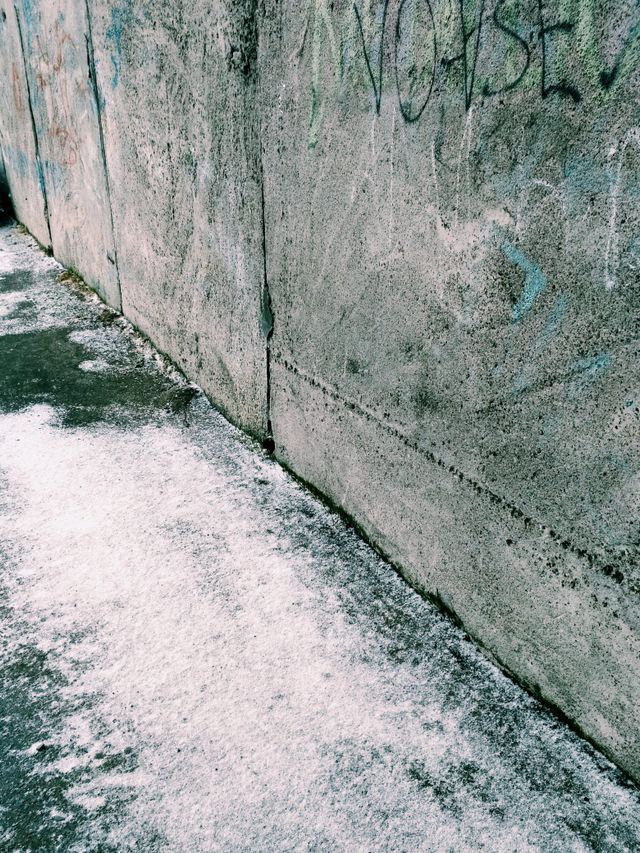
concrete driveway adelaide you walk across a fairly new concrete slab.
A fine grey powder ends up on your shoes.
You rub your hand across the surface and it comes away dusty.
Straight away, most people think the whole slab is failing.
Usually, it isn’t.
After more than twenty years building driveways, patios and slabs across Adelaide, we’ve found that concrete dusting worries homeowners far more than it needs to. Sometimes it’s a simple surface issue. Other times it’s pointing towards something that should be looked at sooner rather than later.
The trick is knowing the difference.
One thing we’ve noticed is that dusting nearly always starts with a question.
“Is this normal?”
Sometimes the answer is yes.
Sometimes it definitely isn’t.
Concrete should have a hard, durable surface.
If the very top layer starts breaking down into powder, something has affected that surface during or after the pour.
The funny thing is, the problem often began long before anyone noticed the dust.
Most people assume dusting means poor-quality concrete was delivered.
That’s rarely where we’d look first.
Concrete is a mix of ingredients, but what happens after it leaves the truck matters just as much. Weather conditions, finishing techniques, curing and even how much extra water gets added on site can all influence how hard that surface eventually becomes.
We’ve seen perfectly good concrete produce disappointing results because it wasn’t treated properly during those first few hours.
Those hours matter.
Here’s where people get caught out.
Concrete might look finished.
It isn’t.
Fresh concrete continues gaining strength for weeks. The surface is particularly vulnerable while it’s curing. Rushing the finishing process, working the surface while bleed water is still present or trying to speed things up before the slab is ready can weaken that top layer.
You won’t always notice immediately.
Sometimes the dust appears months later.
Adelaide’s weather doesn’t always make life easy either.
Summer heat can dry the surface far quicker than people expect. We’ve had days where the concrete wanted to cure almost faster than we could comfortably finish it. On the other hand, cooler, damp winter conditions slow everything down.
Experienced concreters adjust for those conditions.
The weather always gets a vote.
Another thing we’ve noticed over the years is that dusting sometimes appears inside sheds or garages where people assume the slab is protected.
It is from rain.
Not necessarily from everything else.
Forklifts, heavy traffic, dragging equipment across the floor or repeated abrasion can gradually wear away a weaker surface layer. If the concrete wasn’t fully hardened to begin with, that wear becomes obvious much sooner.
Most people think the powder itself is the problem.
It’s actually the symptom.
The real question is why the surface is breaking down.
After doing hundreds of driveways and slabs, we’ve learnt that curing gets overlooked more than almost anything else.
Everyone gets excited about pouring day.
Hardly anyone gets excited about curing.
Yet curing is what allows the concrete to develop strength properly. If moisture disappears too quickly, particularly during Adelaide heatwaves or windy afternoons, the surface can suffer.
That’s why experienced crews pay close attention after the finishing tools are packed away.
The job isn’t finished just because the concrete looks smooth.
One thing we’ve also noticed is that homeowners sometimes make things harder without realising.
High-pressure cleaning a young slab.
Using harsh cleaning chemicals too early.
Dragging steel skips or machinery across fresh concrete.
Those things can damage a surface that hasn’t fully matured.
Concrete is tough.
Fresh concrete still needs time.
Can dusting be repaired?
Sometimes.
Light dusting may respond well to professional cleaning and surface treatments that harden the affected layer. More significant dusting can require grinding, resurfacing or other repairs depending on how deeply the problem extends.
That’s why it’s worth having it assessed before assuming the worst.
Not every dusty slab needs replacing.
Far from it.
Almost every callback we’ve had involving dusting started with someone hoping the problem would simply disappear.
It usually doesn’t.
If the surface continues breaking down, more material gradually wears away. The earlier it’s inspected, the more repair options are generally available.
Ignoring it rarely improves the outcome.
We’ve also found that expectations can play a part.
Concrete naturally sheds a tiny amount of loose material immediately after construction while the site is still being cleaned and surrounding landscaping is underway. That’s different from ongoing dusting months later where the surface keeps producing powder every time it’s walked on.
Knowing that difference saves a lot of unnecessary worry.
At the end of the day, concrete dusting isn’t something to panic about.
It’s something to understand.
A good slab should feel solid underfoot, not leave a layer of fine grey powder behind every time someone walks across it.
If yours does, don’t guess.
Find out why.
After two decades in this trade, we’ve learnt that concrete usually tells you when something isn’t quite right.
The trick is listening early enough to do something about it.
Most surface problems are easier to deal with while they’re still small.
Leave them long enough, and they have a habit of becoming much bigger conversations than anyone wanted to have.